Skip to content
Topic16 entries

Symptoms and diagnostics

Recognise symptoms, judge urgency conservatively, record useful evidence before contacting a workshop, and understand how a proper diagnosis actually works.

  1. Updated August 25, 202611 min read

    How to Describe a Car Symptom to a Workshop

    Screen for immediate driving hazards first, then record what you actually observed — sound, feel, smell, sight, and the exact conditions — using a copyable symptom template and a worked example, so a technician can start diagnosing instead of guessing.
  2. Updated August 25, 202610 min read

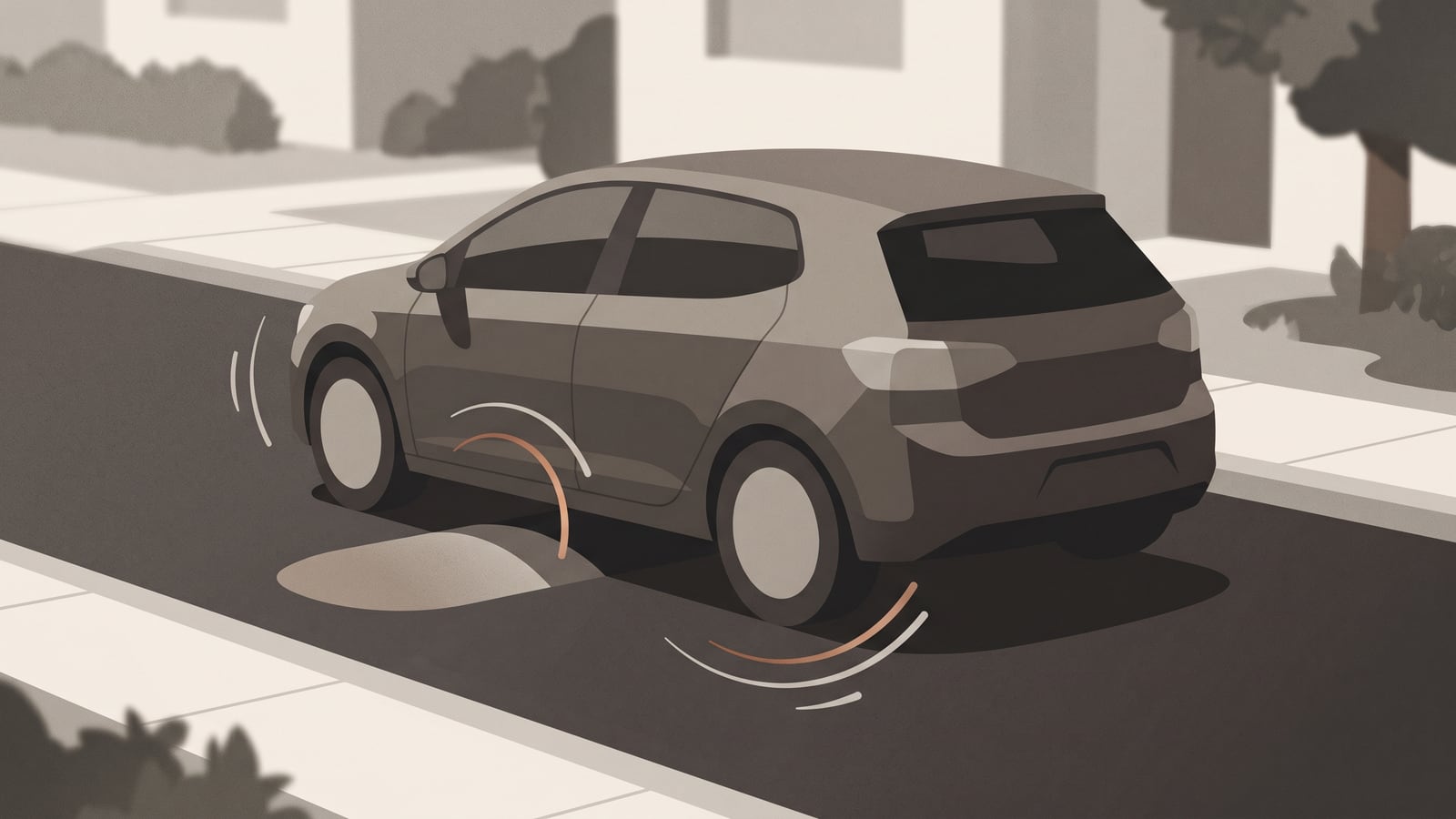
    Suspension Knocks and Rattles: What to Record and When to Stop

    A conservative safety screen, an owner-safe observation method, and a copyable symptom log with a worked example for screening suspension noises and preparing a qualified inspection — without guessing at parts or attempting risky home checks.

  3. Updated August 25, 202610 min read

    Why Clearing a Fault Code Is Not a Repair

    A scan-tool reset on the standardized emissions-related OBD system erases stored fault codes and freeze-frame data and returns applicable readiness monitors to an incomplete state — the underlying condition is untouched. This guide explains what disappears, why permanent codes resist erasure on supporting vehicles, why the light can stay dark for a while, and what to log before clearing anything.

  4. Updated August 24, 202613 min read

    Car Will Not Start: What to Record and Who to Call Next

    When a car won't start or won't reach its ready state, the useful first move is to check the location is safe, record exactly what the car does and displays, and let its current instructions decide between a permitted owner check, roadside assistance, professional transport, or workshop diagnosis.

  5. Updated August 24, 20268 min read

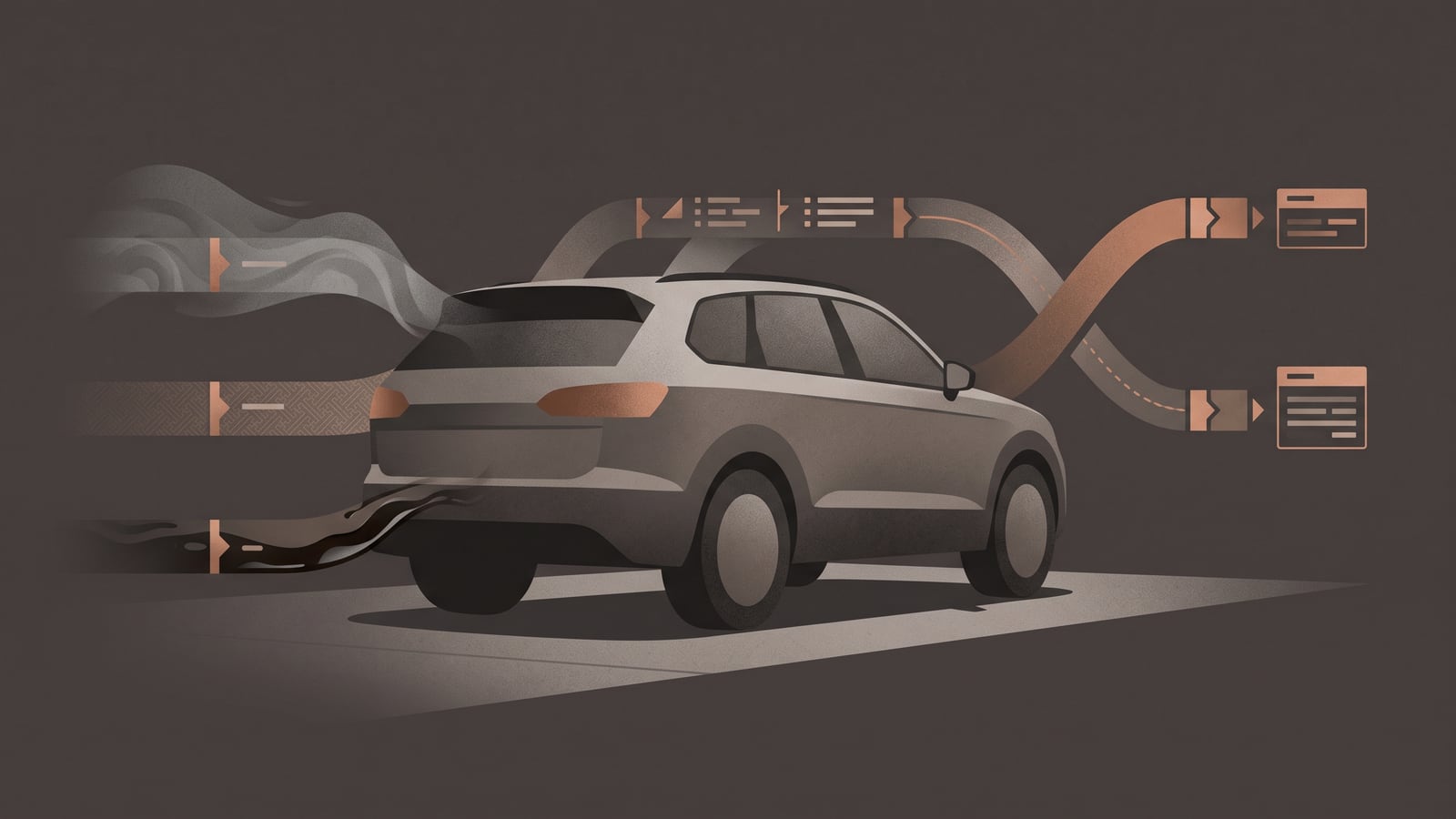
    Smoke, Smells or Visible Leaks: What to Do Next

    Smoke, vapour, smell and visible liquid are observations, not diagnoses. This guide gives the supported response to a burning or reasonably suspected fire, a three-route way to handle everything else, a copyable handoff for a workshop or recovery provider, and the specific carbon-monoxide and garage caution that sensory signs alone can't cover.

  6. Updated August 24, 202610 min read

    What to Record When a Car Fault Is Intermittent: A Copyable Observation Log

    When a car fault appears and then disappears before anyone can look at it, the useful move is to record what you observed, when, and under what conditions — not to diagnose it yourself. This guide gives a safety screen, a compact copyable observation log, and a short prompt for handing the record to a workshop.

  7. Updated August 24, 202612 min read

    Why Replacing the Part Named in a Fault Code Can Be Wrong

    Replacing the part named in a fault-code report can be wrong when the label is the only reason offered, though some codes identify a component quite specifically. This article compares approving the proposed replacement now with authorising diagnosis from documented findings first, gives a copyable workshop prompt, and sets a safety screen ahead of both.

  8. Updated August 23, 202610 min read

    Brake Noises and Pedal Changes: What to Record and Who to Contact

    If braking has changed, the safe move is to stop testing it on the road, record exactly what happened, check the current instructions for your vehicle and market, and hand a clear record to roadside assistance or a qualified workshop.

  9. Updated August 20, 20269 min read

    Charging-System Symptoms: What to Do and What to Record

    "Charging problem" is too broad to answer either question an owner actually has: can I keep driving, and is it the battery or the alternator? This guide walks through following the exact vehicle instruction first, then preparing a factual record — with a copyable template and two worked examples — for a workshop to diagnose.

  10. Updated August 20, 202610 min read

    Overheating Warning or Coolant Loss: When to Stop and What to Record

    A calm, bounded guide for drivers facing an overheating warning or suspected coolant loss — covering the immediate safety response, the hot-and-pressurised system boundary, the difference between a warning and a diagnosis, a copyable symptom record, and the electrified-vehicle escalation boundary.

  11. Updated August 20, 20269 min read

    Steering Shake, Vehicle Vibration or Directional Change: What to Record for a Workshop

    Owners who notice steering-wheel shake, whole-car vibration, or a car that seems to move off its intended path can help a workshop most by writing down exactly what they felt, where, and when. This guide gives plain observation labels, a copyable symptom record with four hypothetical worked examples, and a separate US-scoped exception for a recognised tyre blowout — without offering a diagnosis or a universal stop-driving rule.

  12. Updated August 15, 20266 min read

    How to Prepare for a Diagnostic Appointment: A Checklist and Copyable Handover Note

    Before a diagnostic appointment, apply your vehicle's exact warning instruction, record what happened in plain language, gather any existing records, and agree the investigation scope, contact method, charging basis, and authorisation limit. This article gives a copyable checklist and handover note for that preparation, and explains why observations and stored codes support an investigation without completing it.

  13. Updated August 10, 202611 min read

    How to Read a Vehicle Diagnostic Report

    Learn to sort a vehicle diagnostic report into evidence, reasoning, and recommendation, then use a copyable checklist to spot a missing connection and prepare one focused workshop question.