How Additional Repair Work Should Be Authorised
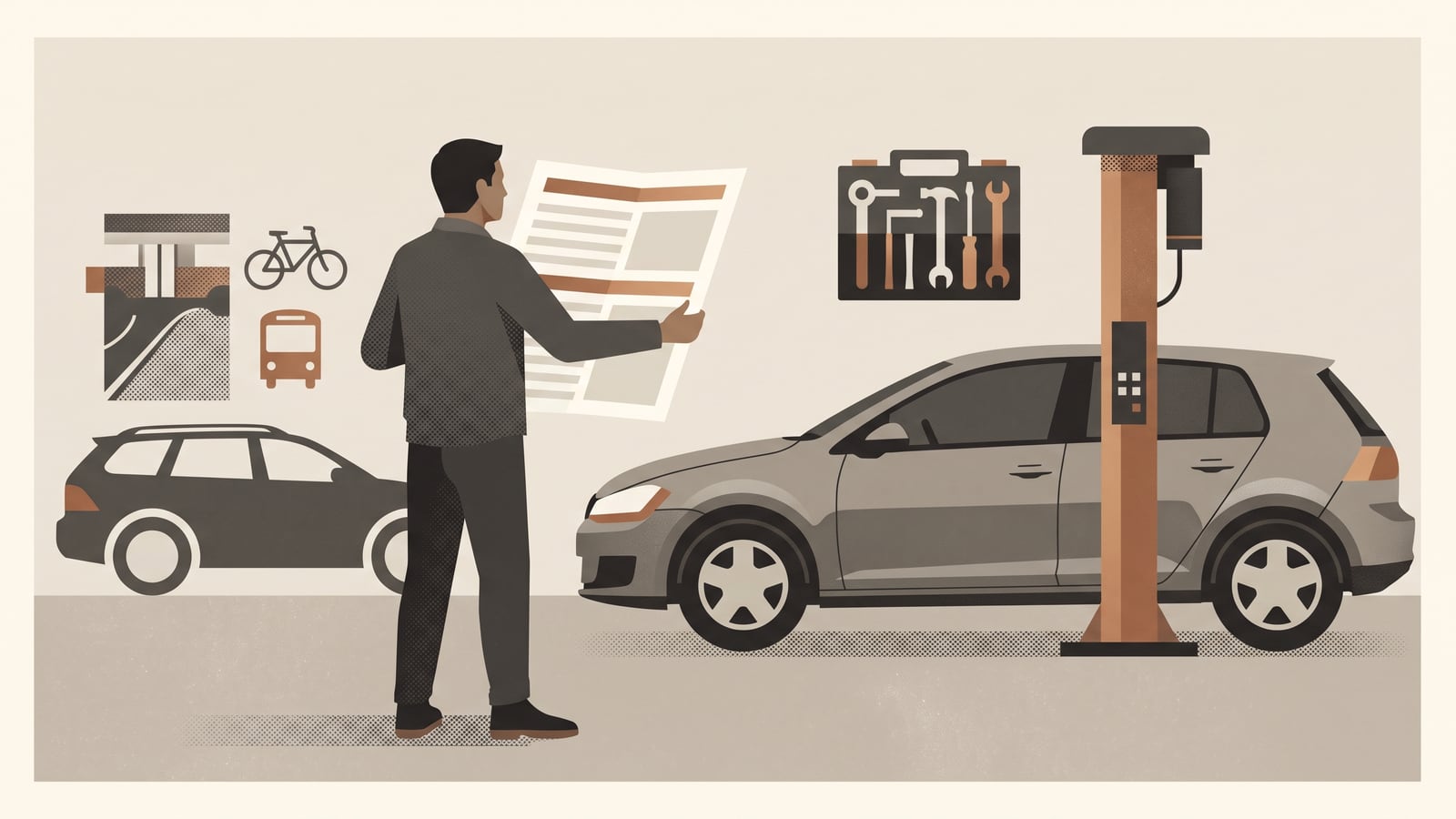
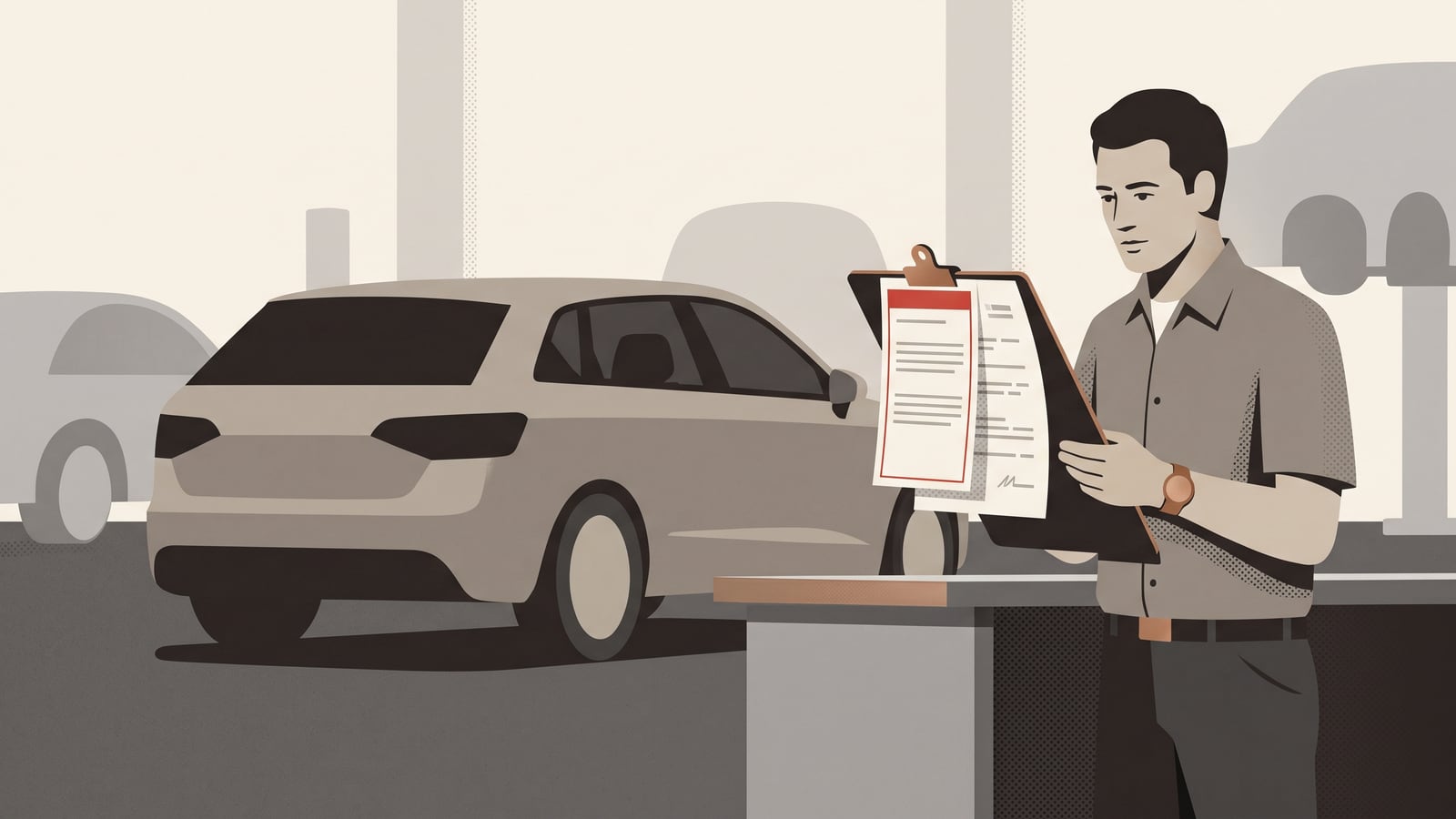
When a garage phones during a repair to ask for more work or more money, you can approve, cap, defer, or pause — this guide shows how to decide and how to keep a written record of what you agreed.
Work effectively with a repair shop: choosing one, describing a problem, reading and comparing estimates, authorising extra work, and controlling the cost of ownership.
When a garage phones during a repair to ask for more work or more money, you can approve, cap, defer, or pause — this guide shows how to decide and how to keep a written record of what you agreed.
Aging-car costs arrive unevenly, not as a smooth average. This guide gives you a five-bucket forward budget, a copyable 12-month template, a worked example with cash-timing, non-negotiable safety stop conditions, and a repair-versus-replace framework based on forward cash flow rather than the car's market value.

Break a car repair invoice into its real categories, reconcile it against what you approved, decode part condition and core-charge terms, and build a durable record — without treating a paid bill as proof the work was necessary or the car is safe.

Planned maintenance and unplanned repairs are different budgeting problems. This guide shows how to build a routine allowance from your manufacturer schedule, keep a separate contingency buffer for surprises, and recognise when to stop applying either budget and get a qualified safety assessment instead.

A practical guide to documenting a car repair at collection, understanding what a workshop warranty actually promises, and reporting a returning symptom clearly — plus the safety conditions that always override a routine test drive.

Collecting a repaired car is a structured handover, not a quick key exchange. This guide walks you through matching the invoice to what you approved, asking about parts and deferred work, checking the car over while it's still parked, and knowing when a warning sign means you should not drive it home — plus a copyable checklist for the service desk.

The repair estimate and the trade-in value don't decide anything on their own. Compare repairing and keeping the car, replacing it with a specific obtainable alternative, and pausing for one decisive fact, all over the same future period and expected use, with household needs kept visible beside the money.

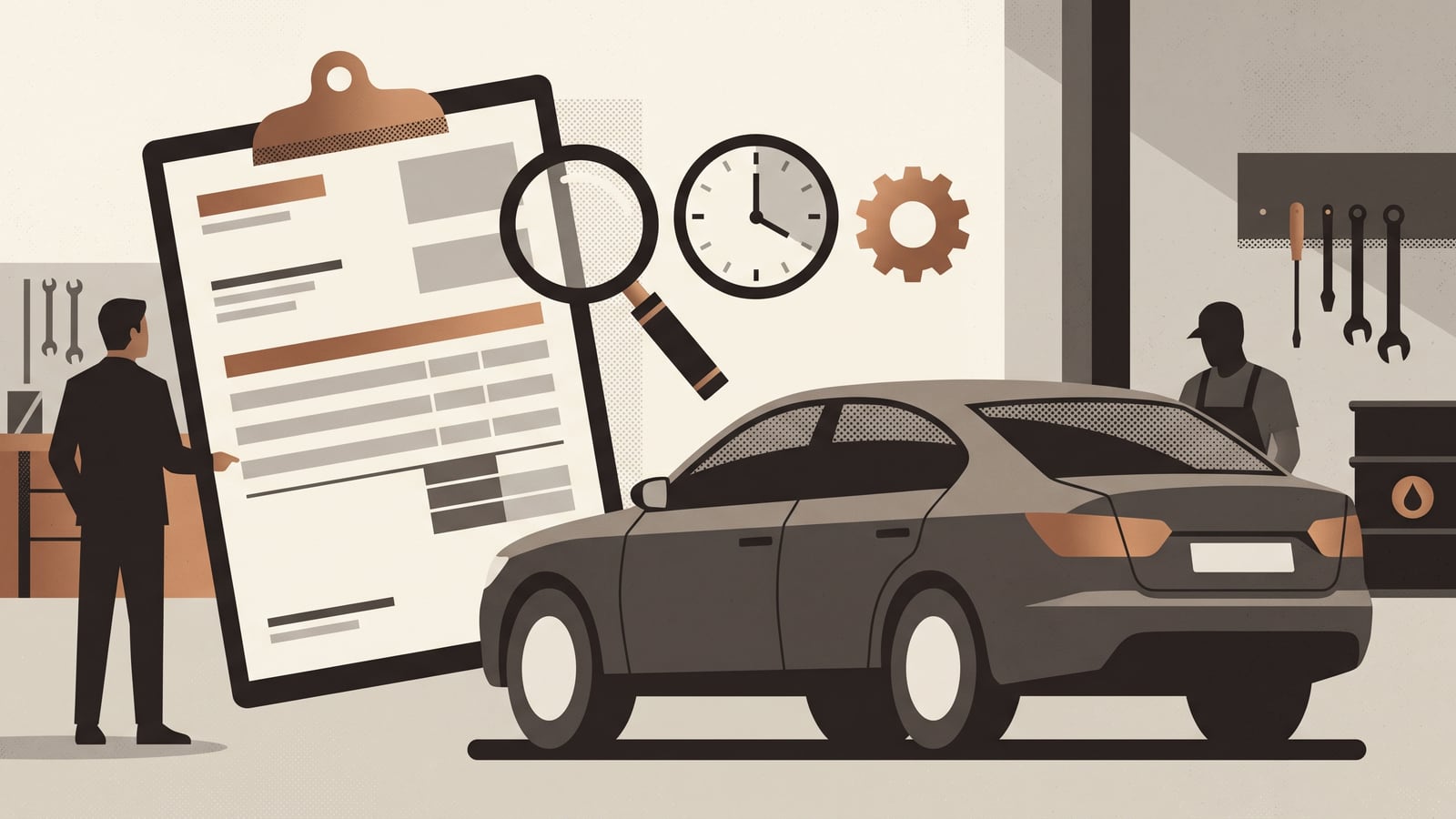
A repair estimate is useful when the scope, the basis of likely charges, the remaining uncertainty, and the approval point are all understandable. This guide gives owners a checklist to mark up an actual estimate and the focused questions to ask a workshop before authorising work, with US, California, UK, and New Zealand examples showing why requirements and terminology differ.

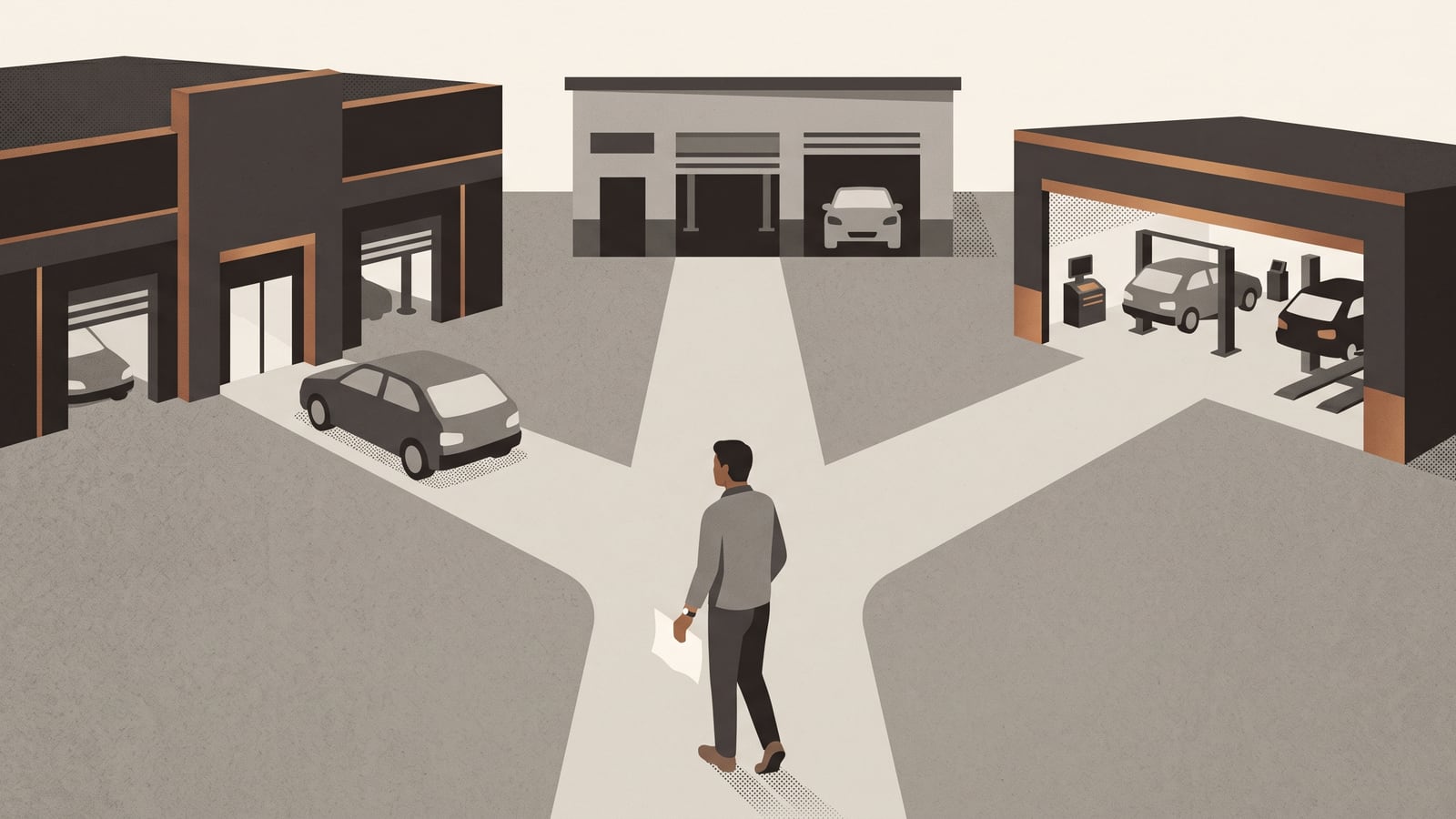
How to pick which workshop category to contact first for a defined car job, and what to confirm with that business before you book or authorise work.

Before authorising a proposed repair, check whether the workshop's explanation links the reported concern to real findings and a clear interpretation. This guide gives a copyable review checklist, a worked hypothetical example, and the three bounded decisions available to the reader: authorise, ask for clarification, or follow an immediate manufacturer safety instruction.

Before comparing repair recommendations, follow any current stop, no-driving, towing, or recovery instruction for your exact vehicle. Otherwise, proceed when the problem, findings, and estimate are clear, and seek a focused second assessment only when one unresolved question could change what you authorise. Includes a copyable request template.

How to tell what a workshop price actually covers: investigation versus repair, actual time versus priced job time, and the point at which the workshop would come back to you before doing more.

Compare scope before price: a side-by-side table, guidance on the four common estimate shapes, and three hypothetical situations that show how to turn mismatched wording into a clear workshop question.

Treat a repair shop visit as a sequence of information and approval points rather than one long handover. This guide walks through booking, handover, diagnostic work, recommendations, price documents, authorisation, collection, and record keeping, and ends with a copyable workshop-visit record.

Replacement-part labels vary by source and market and don't by themselves prove fitment, quality, warranty, safety, roadworthiness, or value. This guide orients owners to the five common labels, works through two everyday repair scenarios, and ends with one compact list of what to confirm with the workshop before authorising the work.